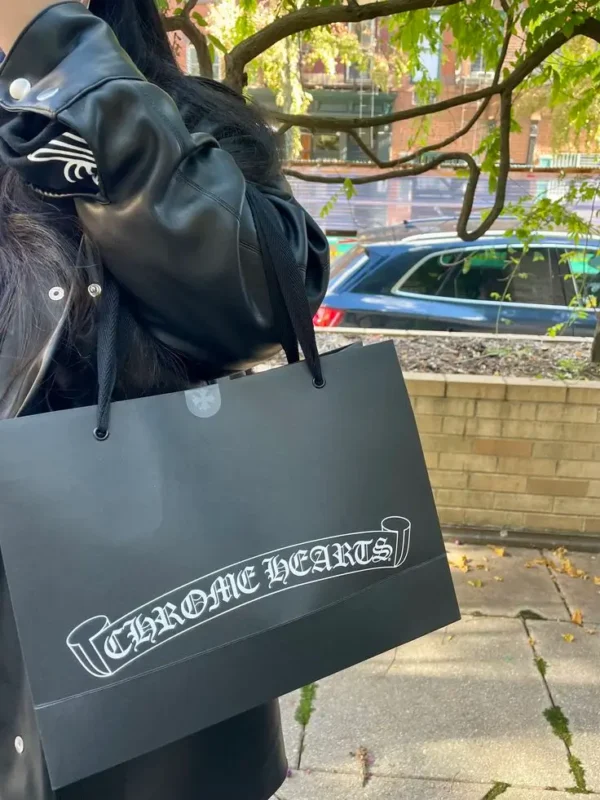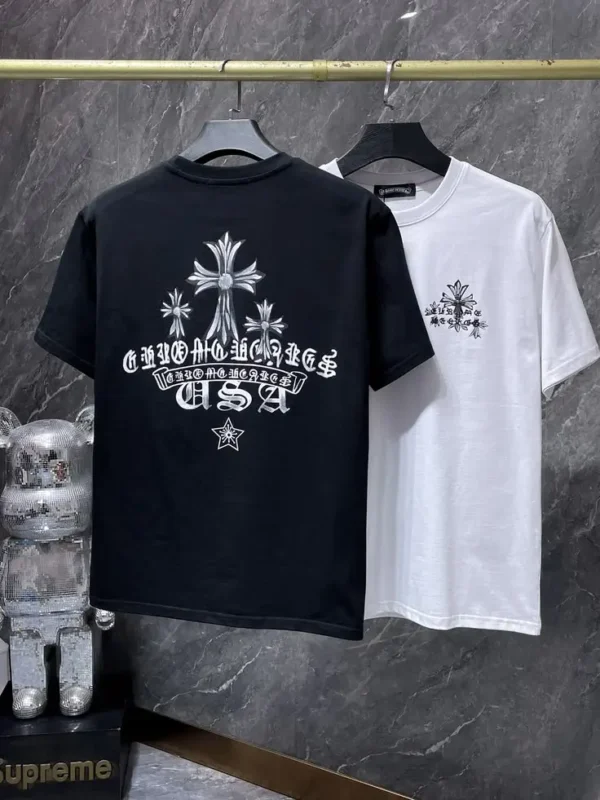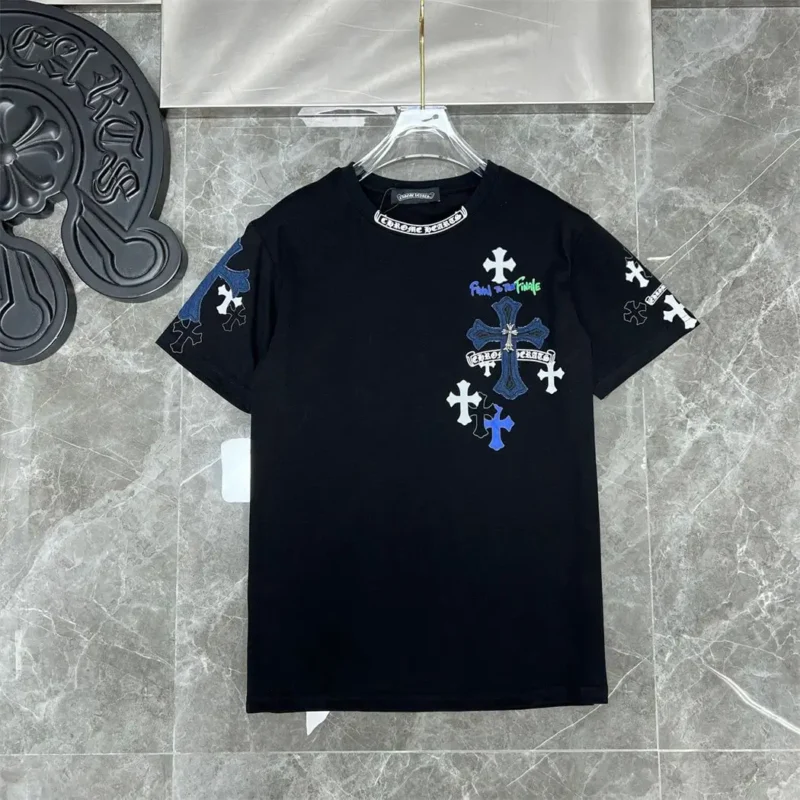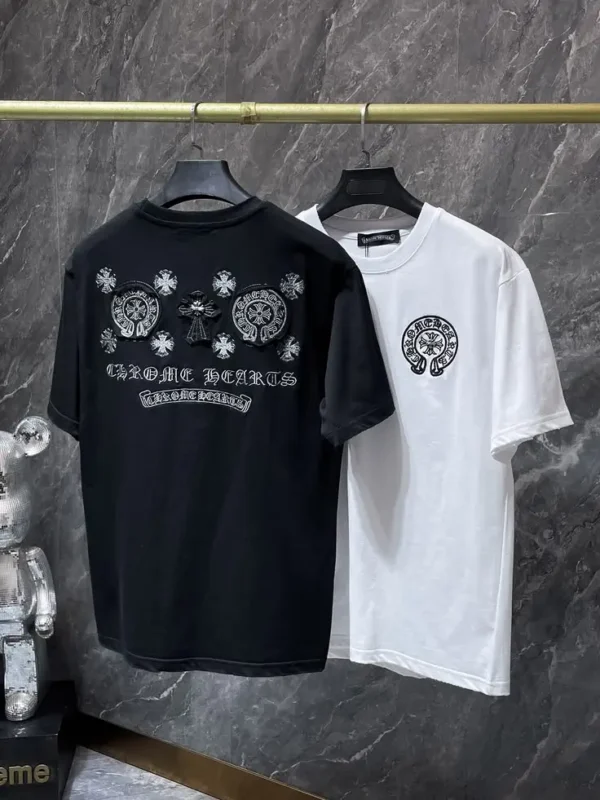


Luxury has traditionally been associated with price, rarity, and prestige. However, as the modern consumer becomes more discerning, luxury is no longer defined solely by what can be purchased but by what must be earned. Chrome Hearts CA stands at the forefront of this shift. Rather than positioning itself as a brand that sells status, it operates as a brand that rewards understanding, patience, and cultural alignment. This approach taps into a powerful psychological framework of earned luxury where value is perceived not through accessibility, but through effort, discovery, and emotional investment.
What Is Earned Luxury?
‘Earned luxury’ refers to the idea that luxury becomes more meaningful when access is not immediate or guaranteed. When consumers must invest time, attention, or personal alignment to engage with a brand, the resulting connection feels deeper and more authentic. Unlike transactional luxury, which relies on convenience and visibility, earned luxury creates satisfaction through achievement. Chrome Hearts exemplifies this model by making entry into its world intentional rather than automatic.
Discovery Over Exposure
Chrome Hearts does not rely on mass marketing to introduce itself. Many customers encounter the brand indirectly through culture, music, or word of mouth rather than through advertising. This discovery process activates psychological reward mechanisms. Finding something on your own feels more valuable than being shown it repeatedly. The brand becomes a personal discovery, not a commercial suggestion. This sense of ownership strengthens attachment and loyalty. Chrome Hearts understands that mystery increases meaning.
Effort Increases Perceived Value
Psychological research consistently shows that effort enhances perceived value. When something requires effort, whether physical, emotional, or cognitive, it feels more rewarding. Chrome Hearts requires effort in multiple forms:
- Limited availability
- Selective retail locations
- Distinctive aesthetics that demand personal alignment
Customers who engage with the brand have made a choice, not a compromise. That choice reinforces self-identity and increases satisfaction with ownership.
Scarcity as a Psychological Signal, Not a Marketing Tactic
Scarcity in earned luxury is not artificial. Chrome Hearts does not manufacture urgency through countdowns or limited-time drops. Instead, scarcity is a natural outcome of craftsmanship-driven production and selective distribution. This form of scarcity signals integrity. Customers interpret it as proof that the brand values quality over scale. As a result, desire is sustained without fatigue, and demand remains emotionally charged rather than impulsive.
Identity Alignment Over Status Display
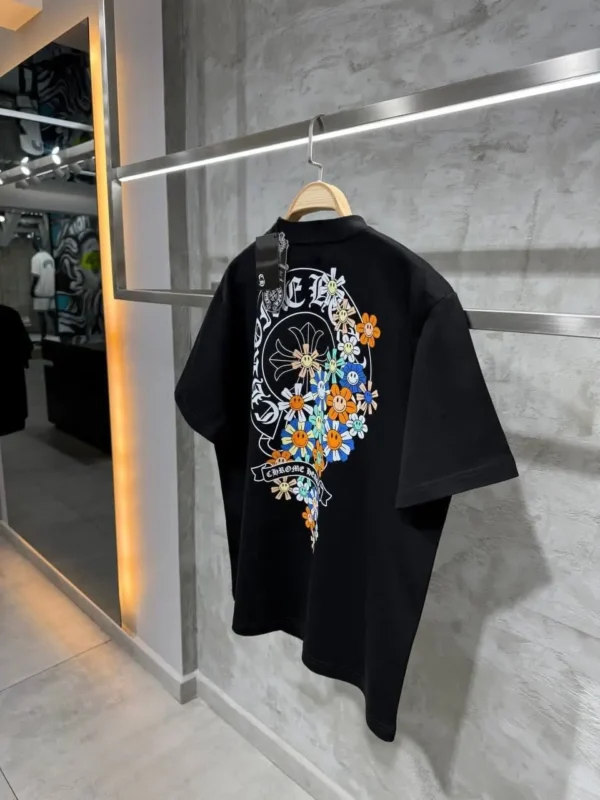
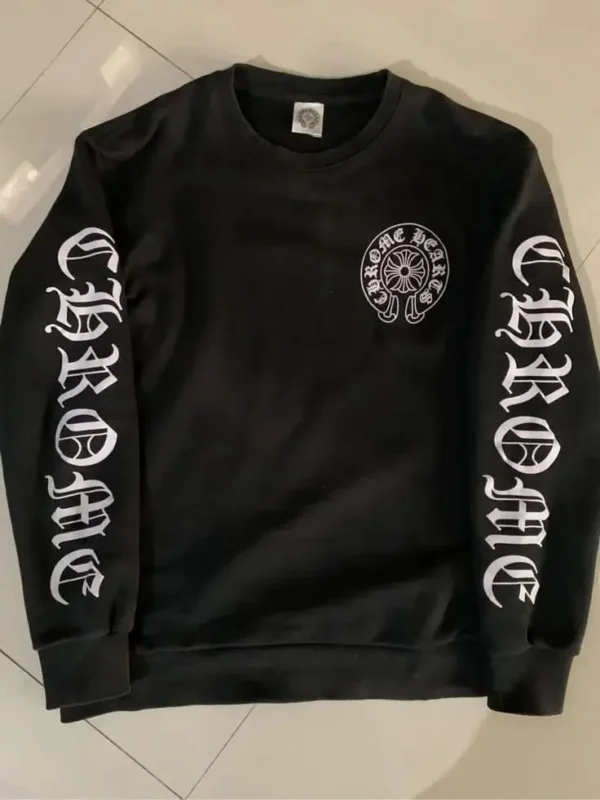
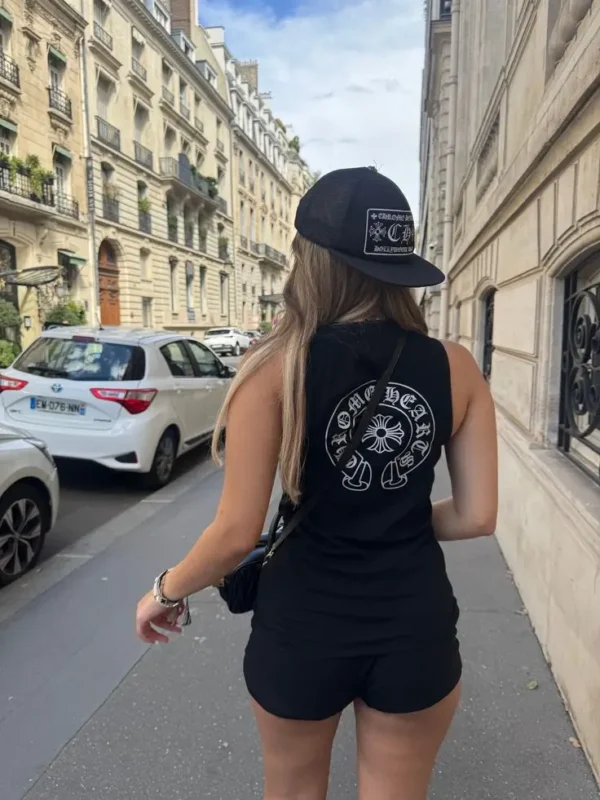
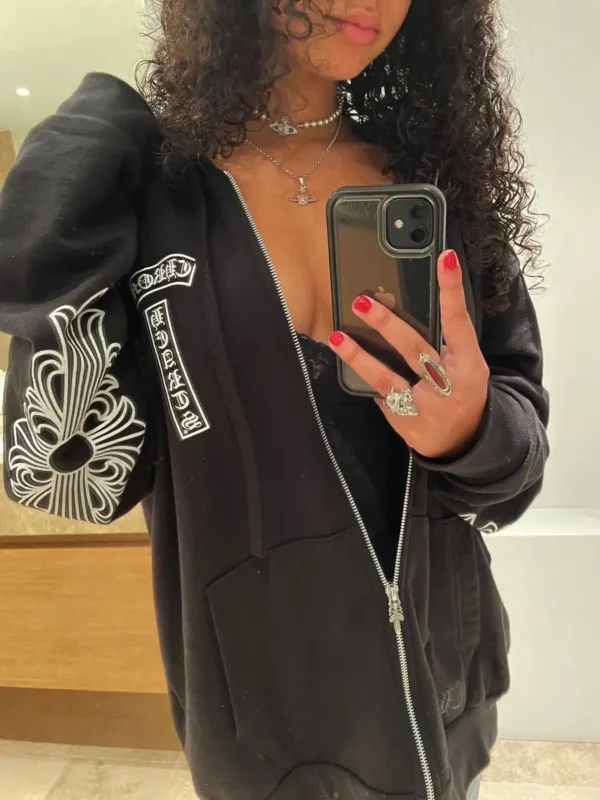
Chrome Hearts does not communicate luxury as status. Its designs are bold, unconventional, and often polarizing. This naturally filters the audience.Psychologically, this creates identity congruence. Customers who wear Chrome Hearts are not signaling wealth, they are expressing who they are. This alignment creates pride, not performance. The brand becomes part of the wearer’s self-concept, which is far more powerful than external validation. Earned luxury feels personal, not performative.
The Role of Time in Building Desire
Time plays a crucial role in the psychology of earned luxury. Chrome Hearts does not rush consumers. Products are not constantly refreshed, and access is not optimized for speed. Waiting builds anticipation. Anticipation builds emotional investment. When the product is finally acquired, satisfaction is amplified because the journey mattered as much as the outcome. In contrast, instant access often leads to quick emotional decline. Chrome Hearts avoids this by letting desire mature naturally.
Respecting Consumer Autonomy
Chrome Hearts does not persuade, chase, or manipulate. There are no aggressive calls to action, no behavioral nudges, and no algorithmic pressure. This restraint communicates respect. Psychologically, autonomy increases trust. When consumers feel free rather than influenced, their engagement becomes more sincere and durable. Earned luxury relies on choice, not coercion.
Community Without Membership
Another psychological layer of earned luxury is belonging without formal inclusion. Chrome Hearts has no loyalty programmers or membership tiers, yet it has a strong, recognizable community. Belonging emerges through shared values, aesthetics, and cultural references. Customers recognise one another subtly, through design language rather than branding signals. This quiet recognition strengthens social bonds without exclusivity being enforced. Participation feels organic rather than awarded.
Long-Term Satisfaction Over Instant Gratification
Chrome Hearts priorities long-term satisfaction. Products are designed to last physically and emotionally. They age with the wearer, accumulate personal meaning, and resist trend expiration. Psychologically, this supports sustained well-being rather than momentary excitement. This reinforces loyalty built on fulfilment, not stimulation.
What Does Chrome Hearts Teach About Modern Luxury?
Chrome Hearts demonstrates that luxury does not need to be loud, fast, or easily accessible. In fact, restraint enhances desire. By requiring understanding, patience, and alignment, the brand transforms ownership into an achievement rather than a transaction. This model reflects a broader shift in consumer psychology, one where meaning matters more than convenience, and identity matters more than exposure.
Conclusion
Chrome Hearts embodies the psychology of earned luxury by designing experiences that must be discovered, understood, and chosen. Through scarcity, craftsmanship, cultural depth, and respect for consumer autonomy, the brand elevates desire beyond purchase. In a world of instant access and constant promotion, Chrome Hearts proves that the most powerful luxury is not what is bought easily but what feels earned.