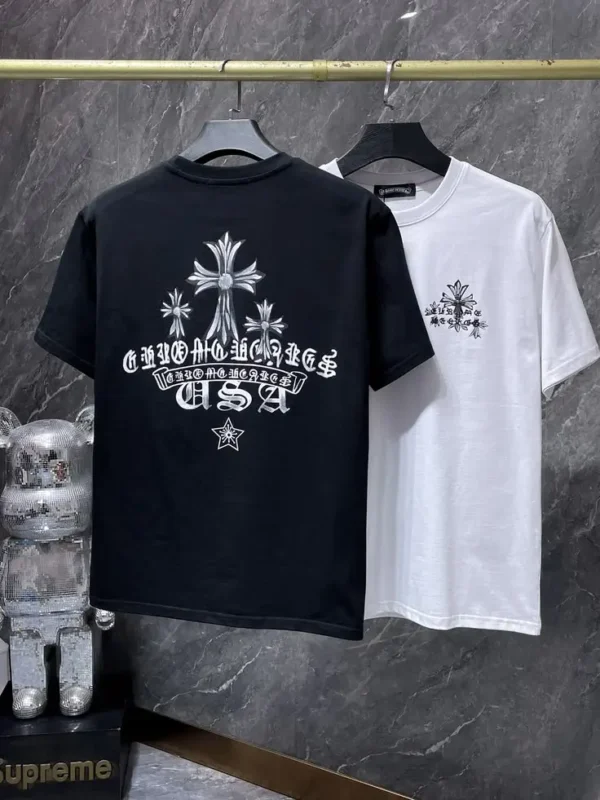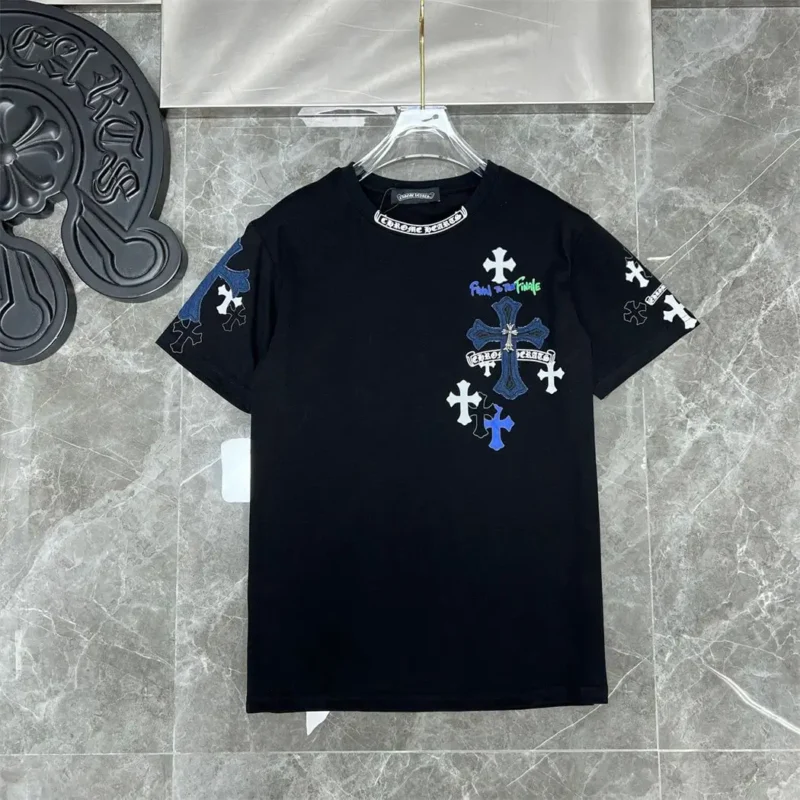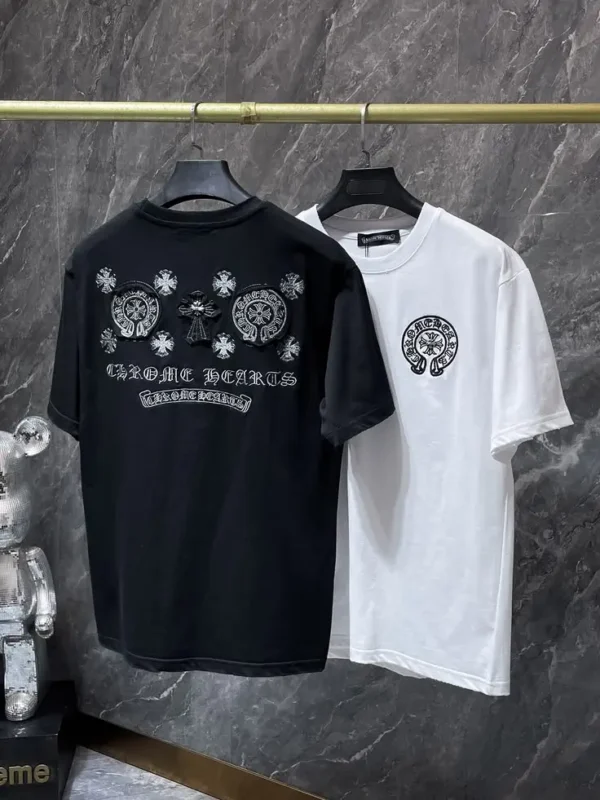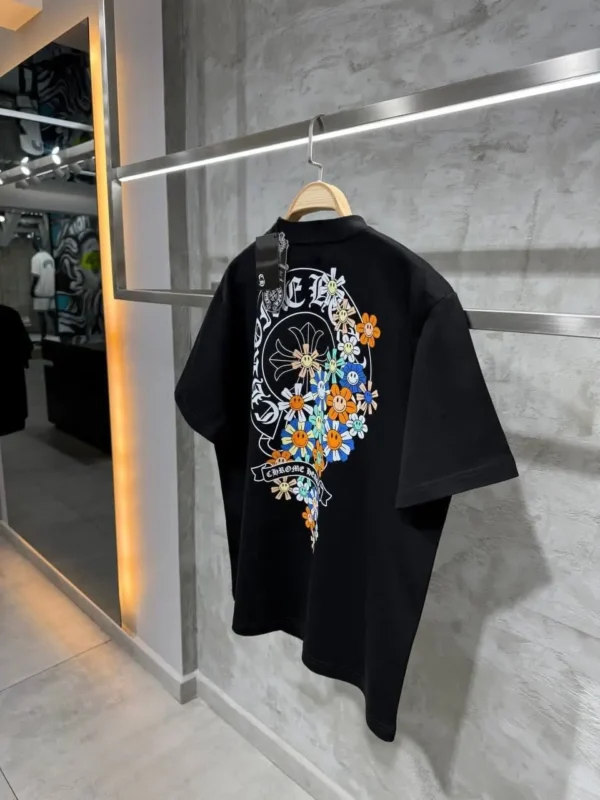


Rarity has always played a central role in how humans assign value. From limited natural resources to exclusive cultural artefacts, what is difficult to obtain often feels more meaningful. In luxury fashion, rarity is not simply a supply decision; it is a psychological signal. Chrome Hearts CA understands this instinct deeply and has built its brand around rarity without turning it into a marketing gimmick. Rather than manufacturing scarcity for attention, Chrome Hearts integrates rarity into its structure, its culture, and its relationship with customers. This approach taps directly into a fundamental human need: the desire for distinction through meaning, not mass visibility.
Why Do Humans Value What Is Rare?
Psychologically, rarity increases perceived value because it signals uniqueness and effort. When something is not widely available, it feels special. Ownership becomes a marker of personal journey rather than convenience. Humans are also driven by identity. Rare objects allow individuals to differentiate themselves without explicit status signalling. Chrome Hearts operates precisely in this space where rarity supports identity rather than ego.
Structural Rarity, Not Artificial Scarcity
Many brands attempt to simulate rarity through limited drops, countdowns, and aggressive hype tactics. Chrome Hearts does not. Its rarity is structural, not promotional. The brand produces slowly due to labour-intensive craftsmanship, especially in jewellery and leather goods. Distribution is selective, with a small number of carefully designed flagship stores. There is no rush to expand supply to meet demand. Because scarcity emerges naturally, it feels authentic. Customers perceive restraint as integrity rather than manipulation.
Rarity as a Filter, Not a Barrier
Chrome Hearts does not use rarity to exclude; it uses it to filter. The brand’s bold aesthetic, unconventional symbols, and limited availability naturally attract a specific audience while discouraging casual consumption. This filtering process is important psychologically. When people feel chosen by a brand, they seek validation. When they choose a brand intentionally, they feel ownership. Chrome Hearts allows customers to self-select, which creates stronger emotional bonds. Rarity here is not about denial but alignment.
Quiet Ownership and Personal Meaning
Chrome Hearts pieces are rarely loud in branding, yet unmistakable to those who know. This creates a form of quiet recognition. Owners are not broadcasting ownership; they are signaling belonging to a shared cultural understanding. This satisfies a deep human desire: to be seen by the right people, not everyone. Rarity enhances this effect by limiting familiarity and preserving meaning. The brand becomes a shared language rather than a public announcement.
Time as a Component of Rarity
Time is a crucial but often overlooked dimension of rarity. Products are released when ready, not when trends demand. Waiting increases anticipation. Anticipation increases attachment. When customers finally acquire a piece, the experience feels earned rather than casual. Time transforms rarity from a supply constraint into an emotional journey.
Cultural Rarity vs. Market Rarity
Chrome Hearts is rare not only in availability but also in cultural positioning. The brand does not follow trends, aesthetics, or social media patterns. This makes it culturally distinct in a crowded market. When everything feels similar, difference becomes rare. Chrome Hearts’ refusal to blend in enhances its perceived value and keeps the brand from becoming visually exhausted. Cultural rarity ensures relevance even when physical supply increases slightly.
Rarity and Trust
Interestingly, rarity also builds trust. When a brand resists overproduction and overexposure, consumers interpret it as confidence. The brand does not need to chase attention because it believes in its value. This confidence reassures customers. They trust that the brand will not suddenly flood the market or compromise quality. That trust strengthens long-term loyalty. Rarity, in this sense, becomes a promise.
Emotional Durability Over Instant Excitement
Many scarce products generate short-lived excitement followed by a rapid decline in interest. Chrome Hearts avoids this by designing products that age well emotionally and physically. Rarity supports emotional durability. When something is not easily replaced or replicated, it becomes part of personal history. Owners attach memories, experiences, and identity to it. This long-term attachment is far more powerful than temporary hype.
What Does Chrome Hearts Reveal About Modern Luxury?
Chrome Hearts demonstrates that rarity does not need to be dramatic or performative. In fact, the most effective rarity is often quiet, consistent, and patient. As consumers grow more aware of artificial scarcity, brands that embed rarity authentically will stand apart. Chrome Hearts shows that limiting access can increase meaning when done with integrity.
Conclusion:
Chrome Hearts succeeds not because it withholds, but because it respects the human need for rarity. By making products that require time, understanding, and alignment, the brand transforms ownership into a meaningful experience. In a world of endless availability, Chrome Hearts reminds us that what is rare is not just what is hard to find but what is worth waiting for.