

The Muted Revival of the Physical Luxury
The luxury industry is going into a recalibration phase in the year 2026. High-end consumers are evidently feeling weary after several years of digital-first growth, incessant exposure, and stories dictated by algorithms. There is no longer an association between online access and desirability. Rather, physical presence, tangible experience and the ability to regulate access are emerging as the new values. In this regard, the strategy of Chrome Hearts in Canada provides a good explanation as to why offline-first luxury is not retrogressive but the future.
What Does Offline-First Luxury Really Mean?
Offline-first luxury does not oppose the digital platforms, but it will not allow them to become the main value of the brand. Physical spaces are spaces of creating meaning, not online feeds. Discovery is an experience that occurs not through exposure. Atmosphere, craftsmanship, and human interaction are used to communicate the brand identity of the brand rather than constant messaging. This model puts its confidence in the consumer as an individual capable of perceiving value without being convinced.
Why is Canada uniquely not well aligned with offline-first luxury?
Canadian luxury culture has a different structure as compared to noisier international markets. Consumers are more likely to appreciate discretion rather than display and long-term rather than short-term. Luxury purchases are usually made on an individual basis as opposed to being publicly staged. This is a natural cultural environment that will support brands that can work quietly and with confidence. Offline-first luxury works best in this market, as customers are ready to invest time and effort in the physical discovery as opposed to expecting digital gratification immediately.
Chrome Hearts CA as a Natural First Brand
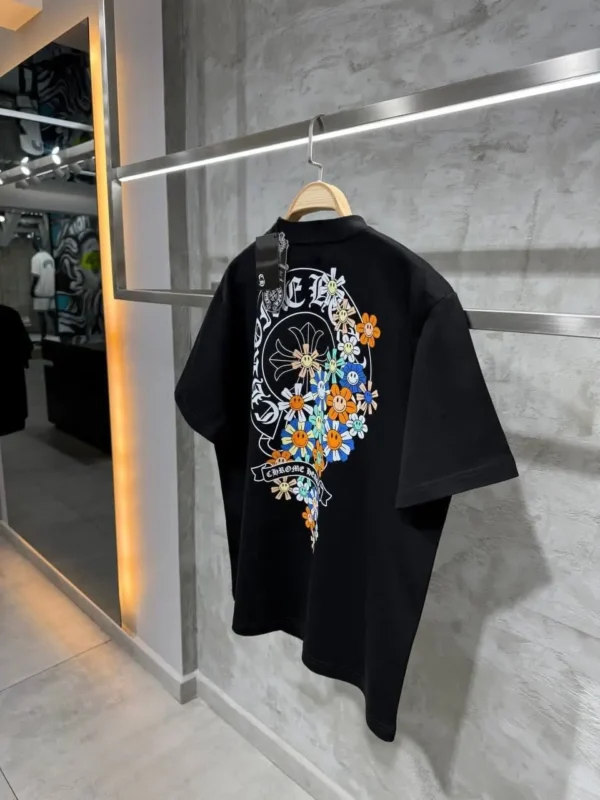
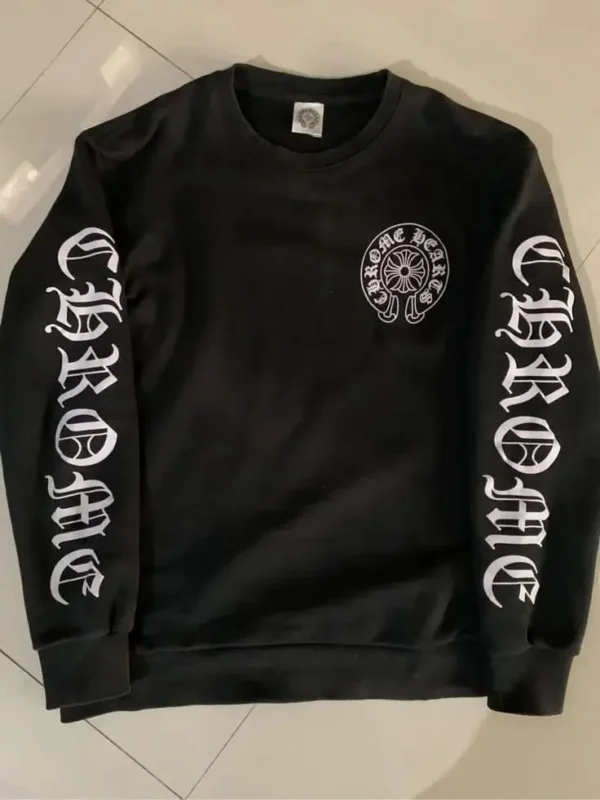
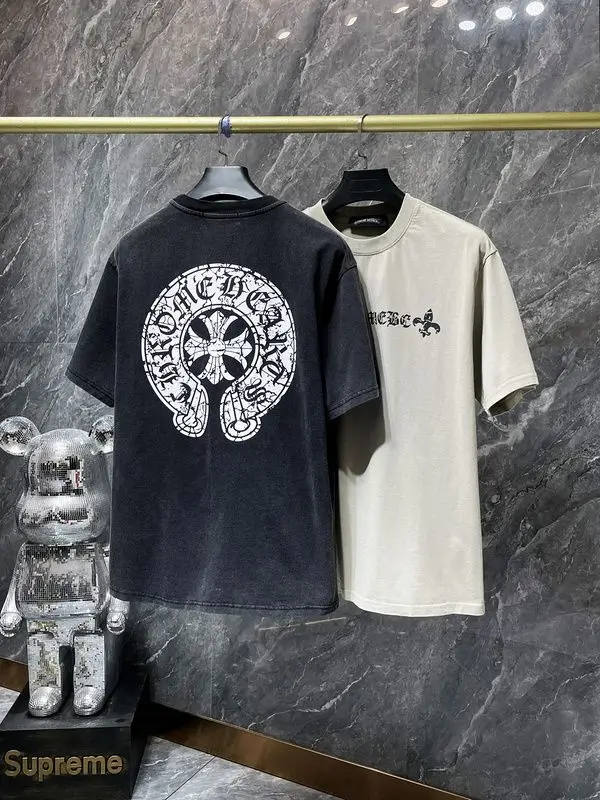
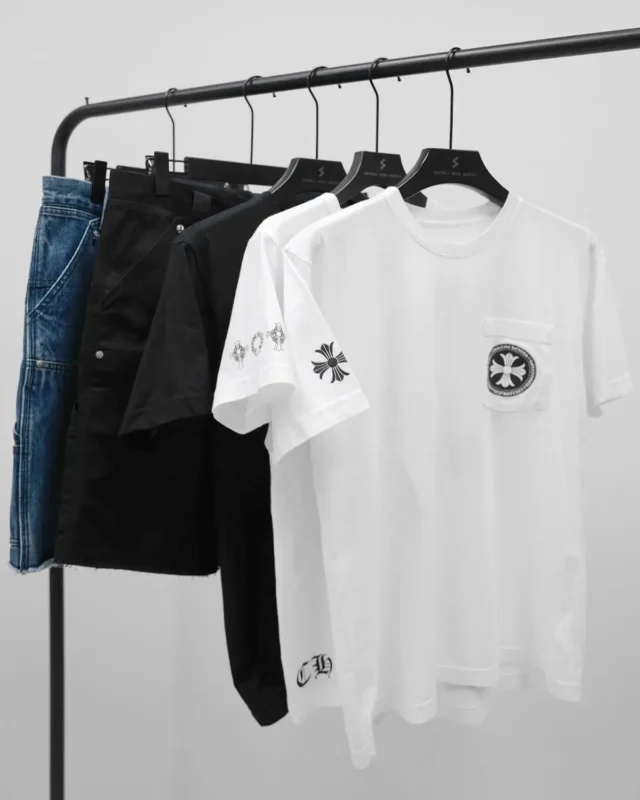
Chrome Hearts does not market itself as an offline-first company, but its actions in Canada demonstrate this philosophy well. The brand has an apprehensive physical presence, a nonaggressive digital localisation, and makes availability vague. It does not even strive to create exclusivity on the internet or teach the consumer by telling stories all day. The brand is based on the assumption that the intended people will take action deliberately.
Physical Experience as the Leading Brand Language
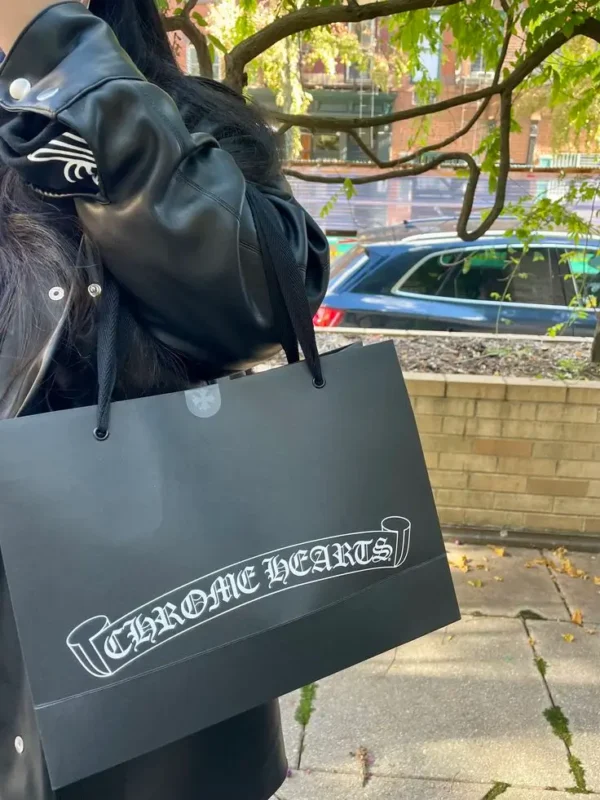
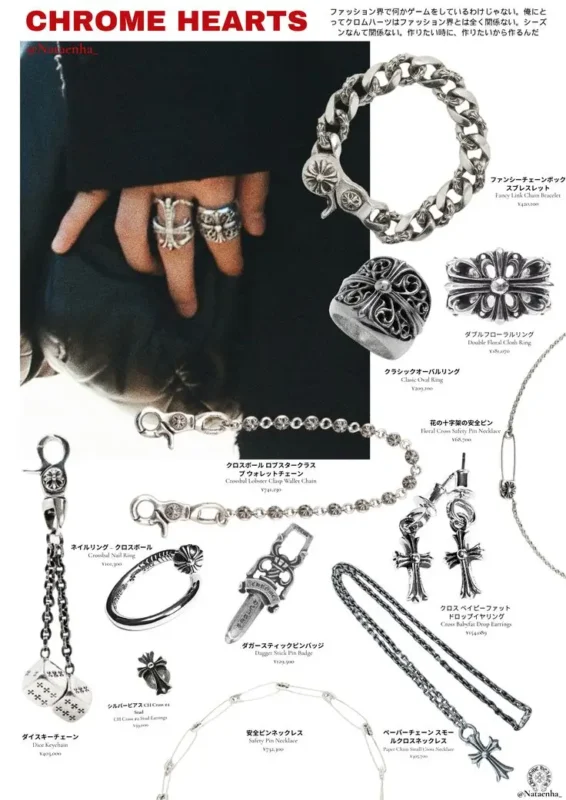
Chrome Hearts in Canada conveys nearly all its messages physically. The gravitas of silver, the leather feel, and the ambiance that surrounds the retail setting are more effective at conveying the message of the brand than any campaign would. Customers do not receive an explanation of why the brand is important; they are given a chance to experience it. This builds faith without justification, such as one of the most powerful types of luxury communication.
Lacking Scarcity With No Publicity
Offline-first luxury is based on scarcity that is not dramatic. Chrome Hearts CA does not promote the arrival, departure, and restrictions of products. Stock is perceived to be uncontrollable. Such doubt creates a sense of credibility since no tactic is put across. The consumers know that the availability is limited by craft and control rather than marketing panic. This form of scarcity builds trust and not coerciveness.
Canadian Market: Trust Over Convenience
Here, Chrome Hearts CA does not focus on convenience, and this choice works in its favour. Friction is also a part of the value exchange at the brand. The consumers can wait, go back or just walk away. Such friction strengthens intention, as opposed to eroding demand. When convenience is ubiquitous in the year 2026, it will be worth the effort. Tremendous trust is also built when a brand does not optimise itself based on a rapid speed.
Less reliance on algorithms
The luxury ecosystem in Canada is not reliant on algorithmic discovery as much as more global hubs. Personal networks, cultural awareness and word of mouth still have a great role to play. This is an advantage to Chrome Hearts since the information flow is slower. The fact that it is not always digital and visible makes it more fascinating and not less pertinent. The brand is not digitally loud and culturally present.
Emotional Attachment: Physical Discovery
Offline-first luxury is more effective in generating more emotional ownership. When consumers have to come into direct physical contact with a brand, the purchase is experienced as a reward instead of as an inducement. In Canada, the ownership of Chrome Hearts is usually based on long-term alignment as opposed to participation through a trend. Fragments are used and carried about in secret and seldom made available. This feeling aspect is hard to emulate in digital-first settings.
What Chrome Hearts CA Tells Us about the Future?
Chrome Hearts Canada is not an exception; it is a pointer. Offline-first models will be more powerful, as luxury consumers expect more and more to be convinced online. Brands which guard physical experience, slower growth and overexposure will establish a better cultural equity. Canada might not be in the luxury business in the largest volume; it is becoming more of a principle business.
Canada: Blueprint of Contemporary Luxury
Chrome Hearts CA proves that the future of luxury is not doing more but doing less purposefully. Offline-first lux is not a position of anti-technology; it is a process of putting value back into being present. In a market where discretion, trust, and authenticity are treasured, Chrome Hearts demonstrates the way in which the physical experience can again be the most effective type of communication. By 2026 and further, Canada will not be a follower of the market; it will be a model of how sustainable luxury should be.